Decoding Regulatory Shifts' Ripple Effects on Poker Circuit Loyalty Programs and Casino Player Retention Patterns
Written by Morgan Perry · Sep 20, 2026
Decoding Regulatory Shifts' Ripple Effects on Poker Circuit Loyalty Programs and Casino Player Retention Patterns
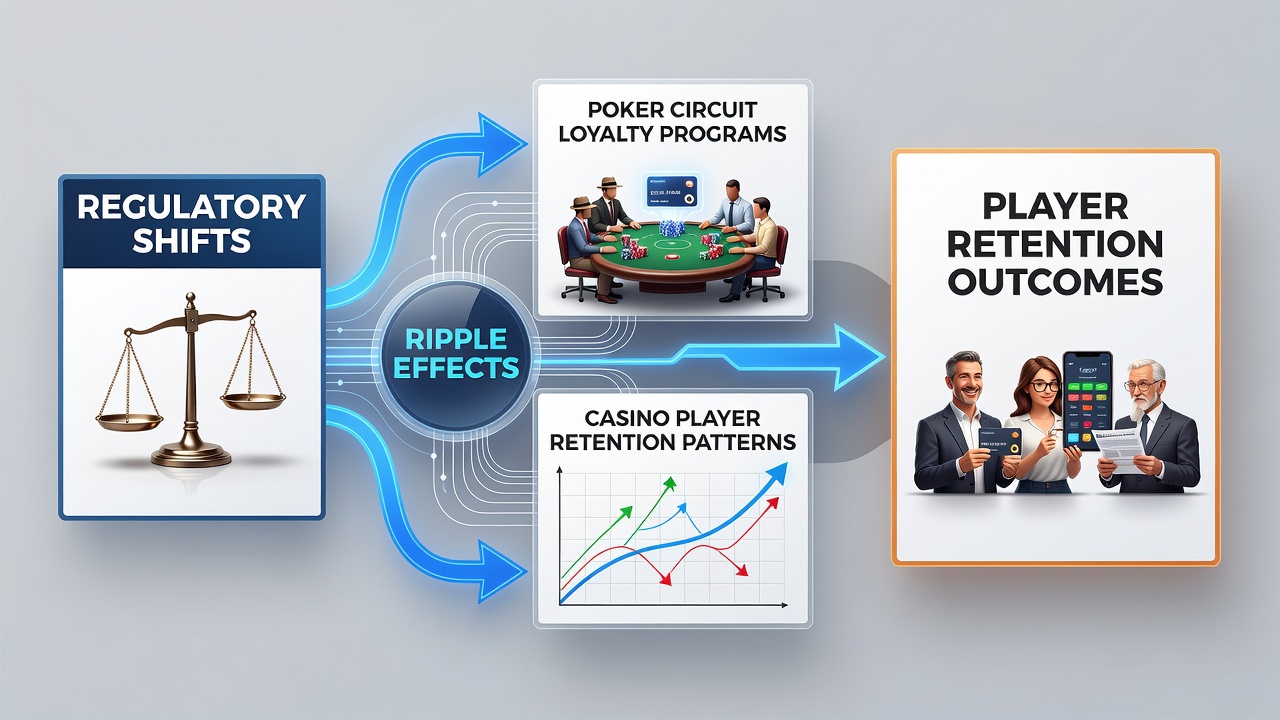
Regulatory adjustments across multiple jurisdictions have begun reshaping how poker circuits structure their loyalty programs while casinos track retention metrics with greater precision. Data from state and national oversight bodies show that changes in licensing fees, player tracking requirements, and tax reporting obligations have prompted operators to revise point accumulation systems and reward tiers. Researchers at institutions monitoring gaming trends note that these modifications coincide with measurable drops in repeat visit rates among mid-stakes players during the first half of 2026.
Key Regulatory Developments Across Regions
Authorities in Nevada and New Jersey implemented updated player identification protocols earlier this year that require real-time reporting of loyalty point redemptions exceeding certain thresholds. These rules, phased in through spring and summer, forced poker rooms to adjust comp structures that previously allowed seamless accumulation across multiple properties. Meanwhile, the Malta Gaming Authority introduced cross-border data sharing standards effective in September 2026 that affect international tournament circuits operating in Europe, compelling operators to synchronize loyalty ledgers with centralized compliance databases.
Observers tracking these shifts report that operators responded by narrowing the range of redeemable rewards in poker-specific programs. Instead of broad hotel stays and dining credits, many venues now emphasize tournament entry credits and branded merchandise that carry lower compliance overhead. Figures released by the Nevada Gaming Control Board indicate a 12 percent reduction in average loyalty point balances held by regular poker participants between January and August 2026.
Adjustments to Loyalty Structures
Poker circuits such as those running under the World Series of Poker umbrella have recalibrated their tier progression systems to align with new audit requirements. Where once players earned points based solely on hours played or buy-in totals, several circuits now incorporate compliance scores that reflect timely submission of identification documents. This layered approach has led some frequent players to concentrate activity at fewer venues rather than spreading participation across multiple circuits.
Casino operators outside traditional poker markets have adopted parallel changes. In Ontario, for instance, the Alcohol and Gaming Commission updated retention reporting guidelines that require monthly disclosure of player churn segmented by loyalty tier. Operators there responded by introducing time-limited bonus multipliers tied to verified play sessions, a move that appears to stabilize short-term retention numbers while increasing administrative costs.
Observed Retention Pattern Shifts
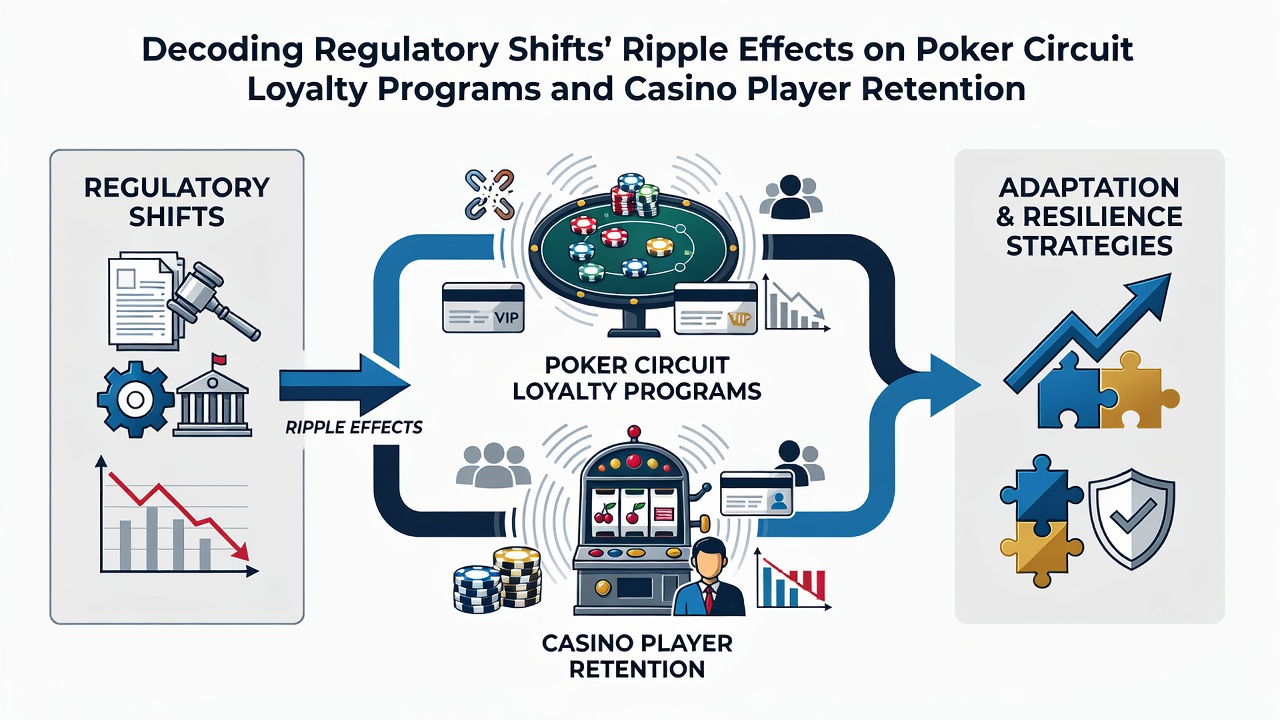
Retention analytics compiled by industry research groups reveal distinct patterns emerging since the regulatory updates took hold. Mid-volume players, those attending between eight and fifteen sessions per quarter, show the steepest decline in loyalty program engagement, with some migrating toward unregulated private games or reducing overall participation. High-volume players maintain steadier activity levels yet redistribute their play toward properties that offer streamlined redemption processes under the new rules.
Studies conducted by academic centers focused on gaming economics document that casinos implementing simplified point structures experienced smaller drops in repeat visits compared with those maintaining complex tier systems. One analysis covering properties in multiple U.S. states found that venues updating their programs before September 2026 retained approximately 7 percent more of their quarterly player base than those implementing changes later.
Operational Responses and Data Tracking
Operators have invested in upgraded player tracking software capable of generating compliance-ready reports without manual intervention. These systems now flag accounts approaching redemption thresholds that trigger additional verification steps, reducing the risk of regulatory penalties. As a result, some loyalty program managers report reallocating staff hours away from customer service toward data validation tasks.
International circuits face added complexity when tournaments cross regulatory boundaries. Points earned in one jurisdiction may not transfer seamlessly to another under updated data-sharing mandates, prompting several major events to create parallel domestic and international leaderboards. This separation helps maintain continuity for local players while satisfying oversight requirements from bodies such as the Nevada Gaming Control Board.
Conclusion
Regulatory changes effective through 2026 have produced measurable adjustments in loyalty program design and corresponding shifts in retention metrics across poker circuits and casino floors. Data from regulatory agencies and research organizations show that operators adapting point structures and tracking systems earlier have experienced comparatively stable player return rates. Continued monitoring through the final months of the year will clarify whether these patterns persist or evolve further under ongoing compliance demands.