How Mobile Alerts Influence Live Betting Timing in Football, Tennis and Basketball Markets
Written by Morgan Perry · Oct 18, 2026
How Mobile Alerts Influence Live Betting Timing in Football, Tennis and Basketball Markets
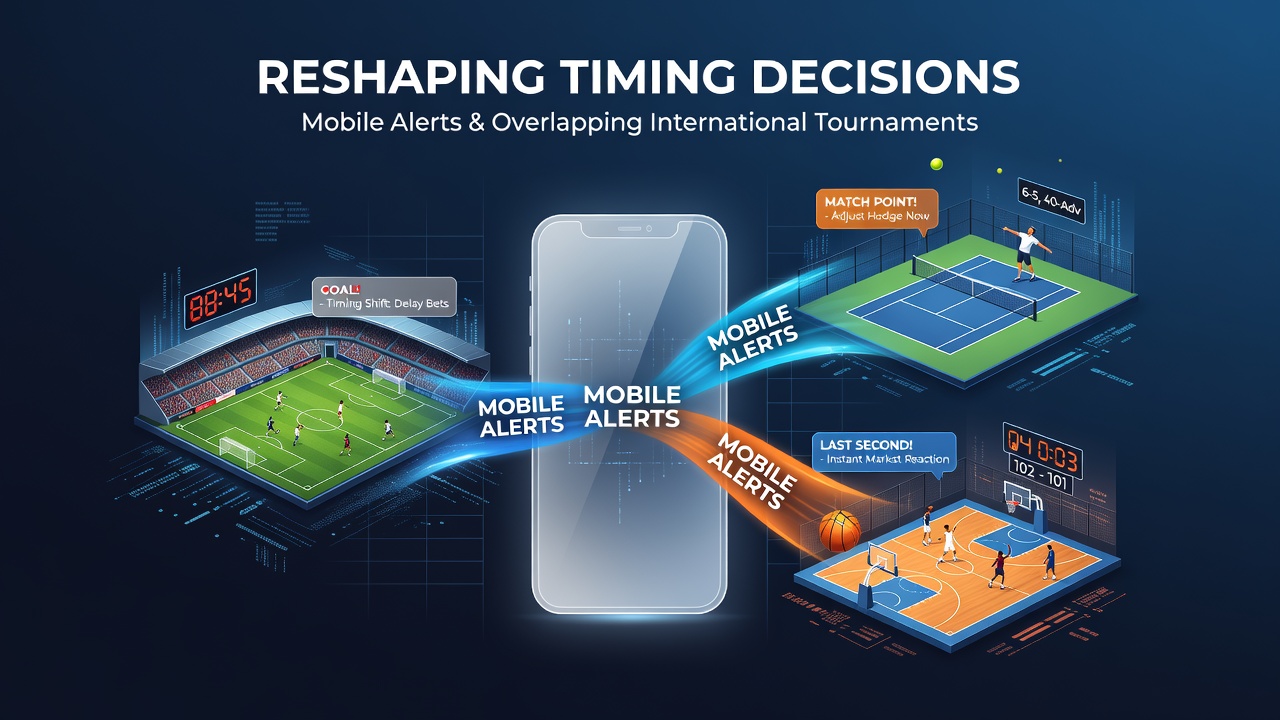
October 2026 brings several overlapping international events that place football qualifiers, tennis ATP and WTA tournaments plus basketball FIBA competitions on the same calendar weeks, and mobile alert systems now deliver score updates, odds shifts and injury notifications directly to bettors. These systems operate through push notifications that arrive within seconds of on-field changes, allowing participants to adjust wagers while matches remain in progress. Data from multiple operators shows alert volume spikes during simultaneous fixtures, with football receiving the highest frequency because of continuous play and frequent goal-scoring moments.
Football Markets During Simultaneous Tournaments
Football qualifiers in October 2026 run alongside other major events, and mobile alerts notify users when a team receives a red card or when live odds move after a corner kick sequence. Bettors receive these messages on the same device they use to place in-play stakes, which shortens the interval between information receipt and wager submission. Studies conducted by sports data firms indicate that goal-line markets see the largest volume of late adjustments once alerts confirm a substitution or tactical shift. Operators record higher settlement speeds for half-time bets when alerts include weather or pitch condition updates sent from stadium sensors.
Tennis and Rapid Set-by-Set Adjustments
Tennis matches produce discrete scoring events that mobile systems translate into alerts about break points or tie-break situations, and these messages prove especially relevant when multiple courts host matches at once. During overlapping tournaments a single user might follow a grand slam quarter-final while a basketball game runs in another tab, yet tennis alerts arrive with serve-speed data and unforced-error counts that influence over-under game totals. Research from performance analytics groups shows that bettors who enable granular alerts on second-serve percentages place more frequent in-set wagers than those relying on periodic score checks alone.
Basketball Timing and Quarter-End Decisions
Basketball contests feature frequent scoring bursts that mobile alerts capture through real-time point differentials and timeout notifications, and October 2026 international windows include FIBA windows that coincide with football and tennis schedules. Alerts often include foul-trouble indicators for key players, prompting shifts into player-performance markets before the next quarter begins. Figures released by the National Council on Problem Gambling document increased mobile engagement rates during multi-sport evenings, with basketball markets showing the quickest response times once foul alerts reach devices. Observers note that end-of-quarter totals experience elevated activity because alerts list exact time remaining alongside current score differentials.
Cross-Sport Alert Interactions
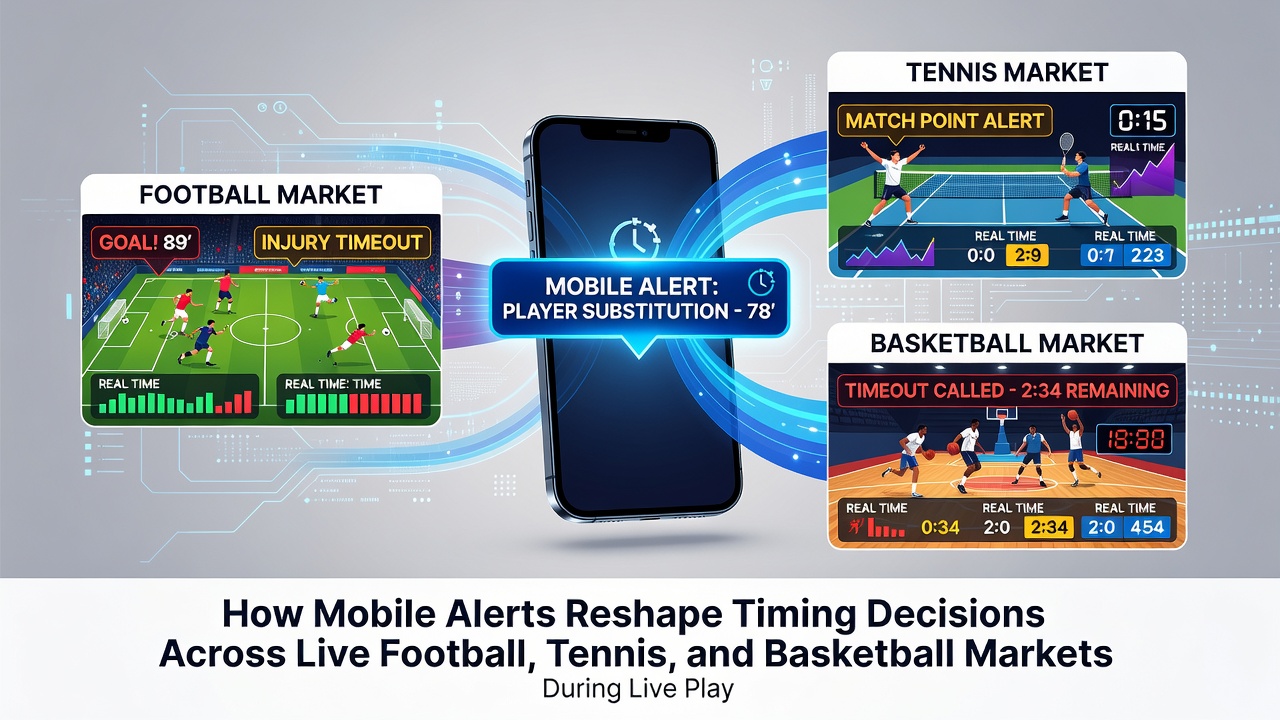
When tournaments overlap, users configure priority settings so football goal alerts override tennis break-point messages during high-stakes moments, yet basketball timeout alerts still appear because they occupy a separate notification channel. Platform logs reveal that simultaneous events increase the average number of active alert categories per account, and bettors who maintain separate filters for each sport report fewer missed opportunities across markets. Industry reports compiled by the Canadian Sport Tourism Alliance highlight that integrated alert systems reduce latency between event occurrence and market reaction by an average of twelve seconds compared with manual score tracking.
Platform Mechanics and Data Delivery
Alert delivery depends on low-latency APIs that pull official league feeds and push them through operator servers, and October 2026 sees expanded use of 5G networks that cut transmission delays further. Systems now embed contextual data such as expected goal values in football or serve-win percentages in tennis inside the same notification, which allows bettors to evaluate multiple variables without leaving the alert screen. Technical documentation from software providers shows that battery-optimised delivery modes maintain accuracy while limiting background data use, encouraging wider adoption during extended tournament days that stretch across time zones.
Conclusion
Mobile alert infrastructure continues to compress decision windows across football, tennis and basketball markets whenever international calendars collide, and October 2026 provides repeated examples of this compression during concurrent events. Data streams from leagues and operators confirm that notification-enabled accounts execute more in-play transactions per match than non-enabled accounts, with timing concentrated around discrete events such as goals, sets and quarters. These patterns emerge consistently across regions that permit mobile betting, demonstrating how alert design directly shapes the pace at which participants respond to unfolding competition.